Resources for Parents, Educators, and CommunitiesVisit these links for additional information and assistance with child abuse.
Emotional AbuseEmotional Abuse includes attitudes or behaviors toward a child that create serious emotional or psychological damage, and/or mental anguish. This may include active forms of abuse such as: Chronically belittling…
Sexual AbuseSexual abuse is when someone engages in sexual acts (touching or non-touching) with a child. Sexual abuse may be perpetrated by an adult, adolescent or child who forces, persuades or…
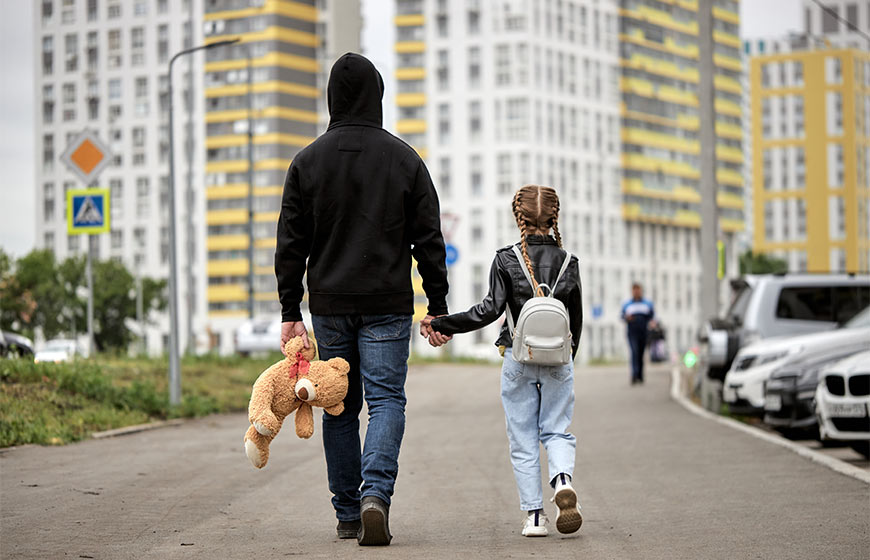
Physical AbusePhysical abuse is the intentional infliction of injury on a child, which may include: Beating Harmful restraint The use or threatened use of a weapon or of an object that…
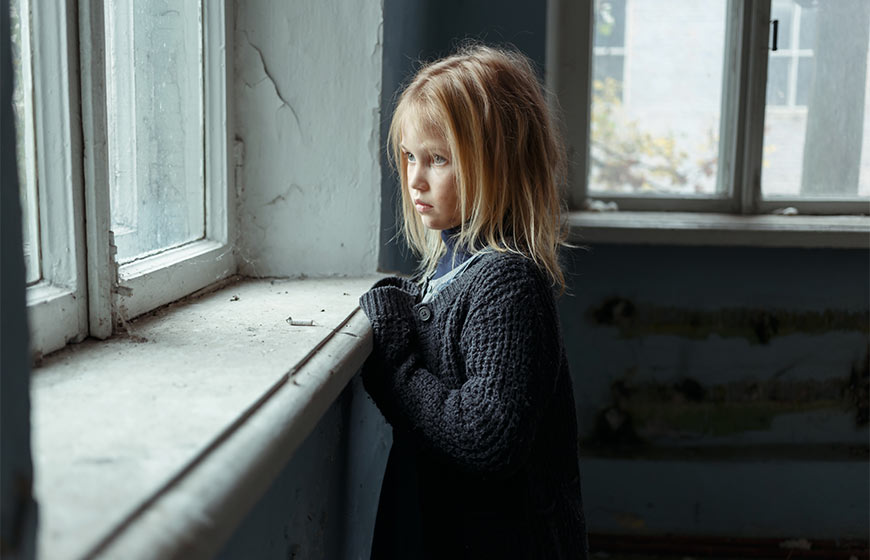
NeglectNeglect is the failure of a parent, guardian, custodian, or caretaker to provide needed food, clothing, shelter, medical care or supervision to the degree that the child’s health, safety and…
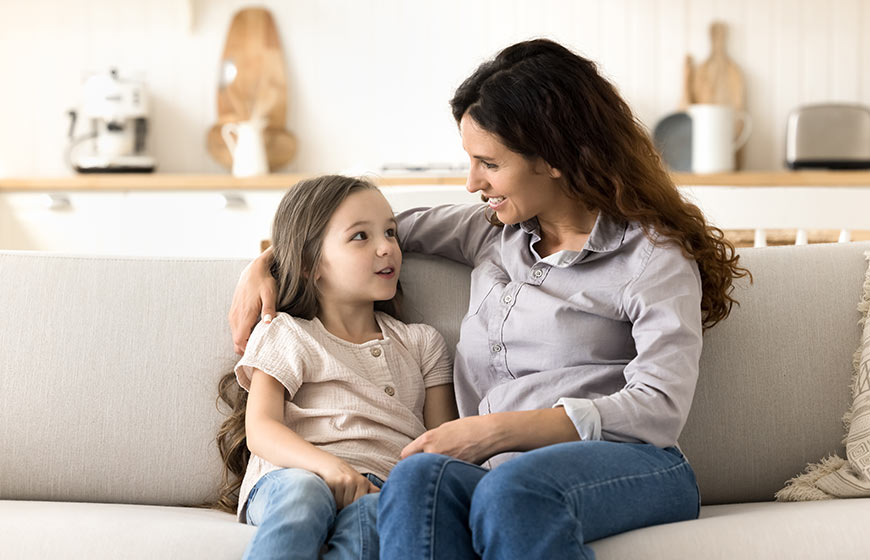
Talking to your Elementary School ChildStart the Conversation Early It can be stressful to plan a big safety talk about abuse with your kid. The good news is you don’t have to. Conversations about abuse…
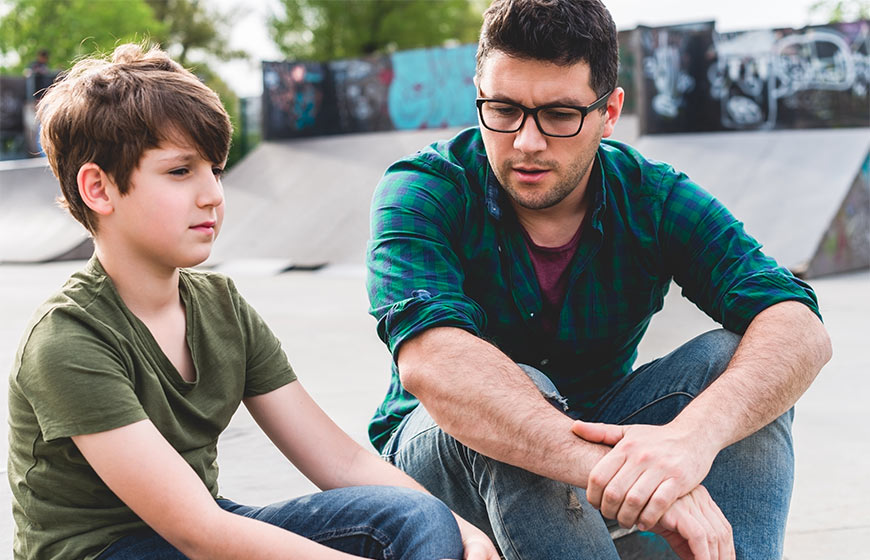
Talking to your Middle School ChildConversation Starters It’s important to create a dialogue about topics like safety and abuse with your middle-schooler. Consider these prompts to engage them in conversation.
Talking to your High School ChildConversation Starters It’s important to have dialogue about topics like safety and abuse with your high schooler. Consider these prompts to engage them in conversation.
Victims of Crime Stabilization (VOCA) InformationCAC Supporters: Call on Congress to protect services for child crime victims Victims of Crime Act (VOCA) Grants are the primary source of federal funding for thousands of victim service…